In the world of interior and garden decor, hanging plants have emerged as a popular trend, seamlessly blending nature with aesthetic appeal. These vibrant green beauties not only add a touch of elegance to your living space but also offer various benefits that enhance both your environment and well-being. From adding a sense of tranquility to improving air quality, hanging plants serve multiple purposes, making them an essential element in modern decor. In this blog, we will explore the wonders of hanging plants, from their benefits to care tips, and how you can incorporate them into your home.
The Benefits of Hanging Plants

Space-Saving Solutions
Hanging plants are an excellent choice for maximizing limited space, particularly in urban settings. By utilizing vertical areas, you can transform bare walls or corners into lush greenery without taking up floor space. This not only allows for more room for movement but also creates an illusion of a larger space by drawing the eye upward.
Air Purification
Numerous studies have shown that indoor plants can significantly improve air quality. Hanging plants like pothos and peace lilies are particularly effective at filtering out common pollutants such as formaldehyde and benzene. By incorporating these plants into your home, you create a healthier environment that can help reduce allergies and improve overall well-being.
Aesthetic Appeal
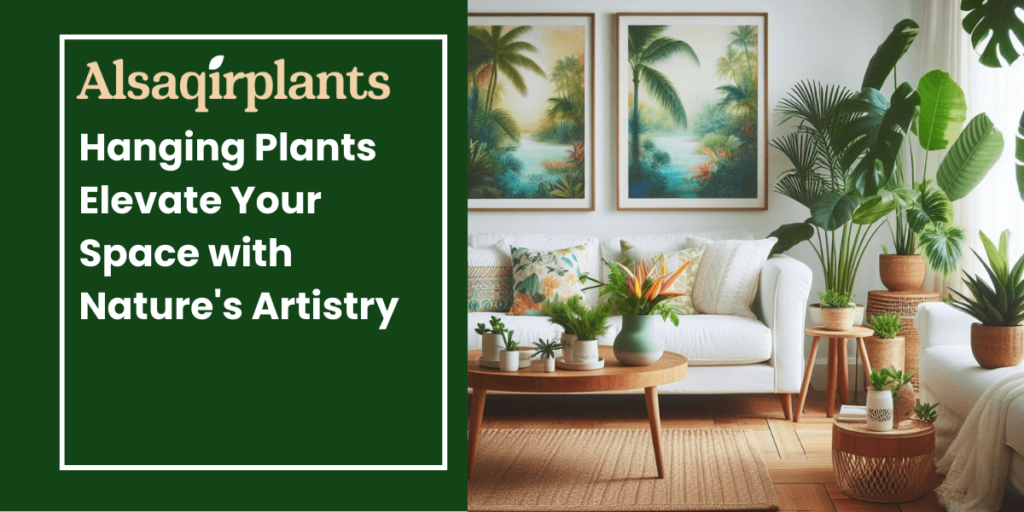
The visual impact of hanging plants is undeniable. They introduce natural elements into your decor, creating a harmonious and inviting atmosphere. With an array of plant types and hanging styles available, you can find the perfect combinations that complement your interior design, whether you prefer a minimalist look or a bohemian vibe.
Mood Enhancement
Bringing nature indoors has a positive impact on mental health. Studies suggest that interacting with plants can lower stress levels and boost mood. Hanging plants, with their gentle movement and vibrant colors, can create a calming environment, making your space a sanctuary for relaxation and creativity.
Choosing the Right Hanging Plants

When selecting hanging plants, it’s essential to consider their specific needs and your living conditions.
Considerations for Selection
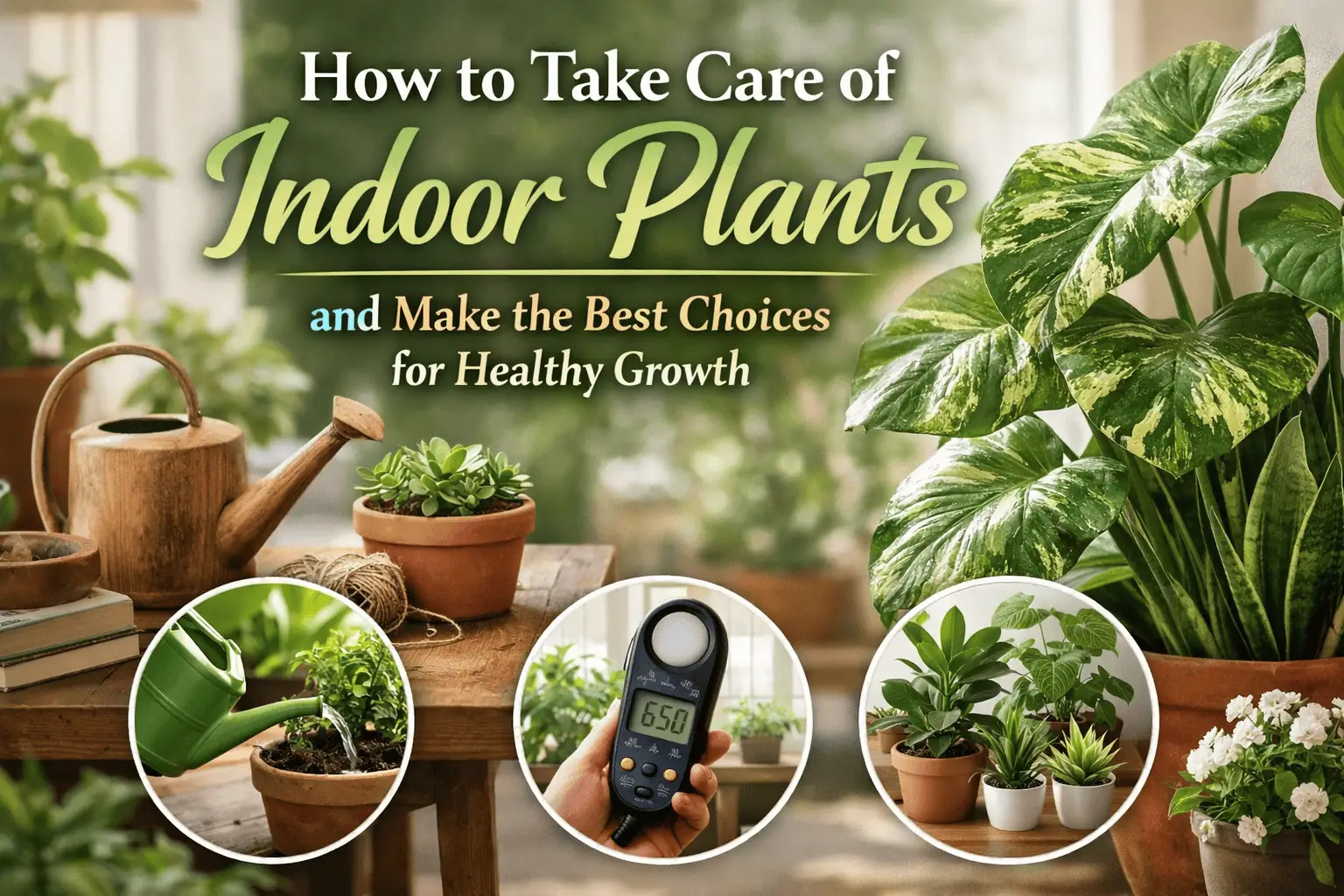
Take into account the light levels in your home. Some plants thrive in bright, direct sunlight, while others prefer shady spots. Additionally, assess how much maintenance you can commit to; low-maintenance varieties are perfect for busy lifestyles, while more delicate plants may require closer attention.
Popular Hanging Plants
- Pothos – Known for its heart-shaped leaves, pothos is a hardy plant that adapts well to various lighting conditions and is ideal for beginners.
- Spider Plant – This resilient plant features arching leaves and is renowned for its air-purifying properties, making it a favorite in many households.
- Ferns – With their lush foliage, ferns add a tropical feel to your space. They prefer indirect light and humidity, making them ideal for kitchens and bathrooms.
- String of Hearts – This charming plant produces delicate, heart-shaped leaves on trailing vines, perfect for adding a whimsical touch to any setting.
- Succulents – These drought-resistant plants thrive in bright light and require minimal watering, making them perfect for those who may forget to tend to their greenery.
How to Care for Hanging Plants

Watering Needs
Understanding the watering requirements of your hanging plants is crucial to their health. Generally, it’s better to underwater than overwater, as most plants prefer to dry out slightly between watering. Regularly check the soil’s moisture level and adjust your watering schedule according to seasonal changes and plant type.
Light Requirements
Hanging plants have varying light needs, so it’s important to position them in suitable locations. While some plants thrive in bright, direct sunlight, others may prefer filtered light or shade. Observing your plants will help you identify their preferences and ensure they flourish in their designated spots.
Fertilizing Tips
Fertilizing your hanging plants during the growing season can encourage robust growth and vibrant foliage. A balanced, water-soluble fertilizer applied every 4-6 weeks during spring and summer can provide the necessary nutrients. Be sure to follow package instructions to avoid over-fertilization, which can harm your plants.
Pruning and Maintenance
Regular pruning is key to keeping your hanging plants healthy and attractive. Trim away dead or yellowing leaves to promote new growth and prevent pests. This routine maintenance not only enhances the plant’s appearance but also allows for better airflow, reducing the risk of disease.
Creative Ways to Display Hanging Plants

Hanging Planters
The choice of hanging planters can dramatically affect the aesthetic of your space. Consider using a mix of materials such as ceramic, metal, or macramé for a diverse look. Opt for planters that match your decor style sleek modern pots for contemporary spaces or rustic wooden hangers for a cozy feel.
DIY Ideas
Creating your own hanging planters can add a personal touch to your decor. Simple projects like repurposing jars, tin cans, or wooden crates can turn into unique planters. Engaging in DIY projects not only fosters creativity but also allows you to showcase your style and ingenuity.
Placement Ideas
Strategic placement of hanging plants can maximize their visual impact. Consider hanging them near windows, on porches, or in corners that could use some life. Layering plants at different heights creates a stunning visual effect and can make even small spaces feel more dynamic.
Seasonal Considerations
Adapting Care Throughout the Year
As seasons change, so do the care requirements of your hanging plants. During the warmer months, plants may need more frequent watering and fertilization, while in winter, you may need to reduce watering as growth slows down. Adjust your care routine to keep your plants healthy year-round.
Protection from Extreme Weather
If your hanging plants are displayed outdoors, ensure they are protected from harsh weather conditions. In summer, provide shade during the hottest hours, and in winter, consider bringing them indoors to shield them from freezing temperatures and strong winds.
Common Challenges and Solutions

Pest Control
Pests such as aphids and spider mites can infest hanging plants, so regular inspections are essential. Early detection allows for easier management. Use natural pest control methods, like neem oil or insecticidal soap, to keep your plants healthy without harsh chemicals.
Plant Diseases
Diseases can affect plant health, manifesting as wilting, discoloration, or unusual spots on leaves. Identifying symptoms early can help in applying appropriate treatments, such as adjusting watering habits or using fungicides if necessary. Maintaining good hygiene and air circulation can also prevent disease outbreaks.
Overcoming Light Limitations
If your home has areas with low light, don’t fret! Many hanging plants can thrive in indirect light. Additionally, consider using grow lights to supplement natural light, ensuring your plants receive the energy they need to flourish.
Conclusion
Incorporating hanging plants into your home or garden is a beautiful way to enhance your space while reaping the benefits of nature. These versatile plants not only beautify your surroundings but also contribute to a healthier and happier living environment. Experiment with different types of hanging plants and arrangements, and let your creativity flourish.
Have you tried incorporating hanging plants into your decor? Share your experiences in the comments below! If you’re looking for guidance on selecting and maintaining the perfect hanging plants for your space, contact Al Saqir Plants or call +971-50-5579347 to get started today.